A Story of Two Worlds
It all started in 2004, right after high school. I was a kid from Pszczyna in Silesia, and I met a girl online who lived in Urle, a small village near Warsaw. In a country like Poland, 400 kilometers is more than just distance; it’s a journey to another world. The landscape, the people, the customs – everything felt different, at least to a teenager from the industrial south.
Urle was a popular summer escape for Warsaw’s residents. My girlfriend Anna’s family was at the heart of it, running a bustling summer canteen from her grandmother’s house. During the high season, they served hundreds of dinners a day. You’re probably wondering if I have any photos from that vibrant time. The unfortunate answer is no. Back then, I wasn’t a photographer. I was just a kid who occasionally shot a roll of 35mm film in a compact camera, seeing no reason to document the “new” world around me.
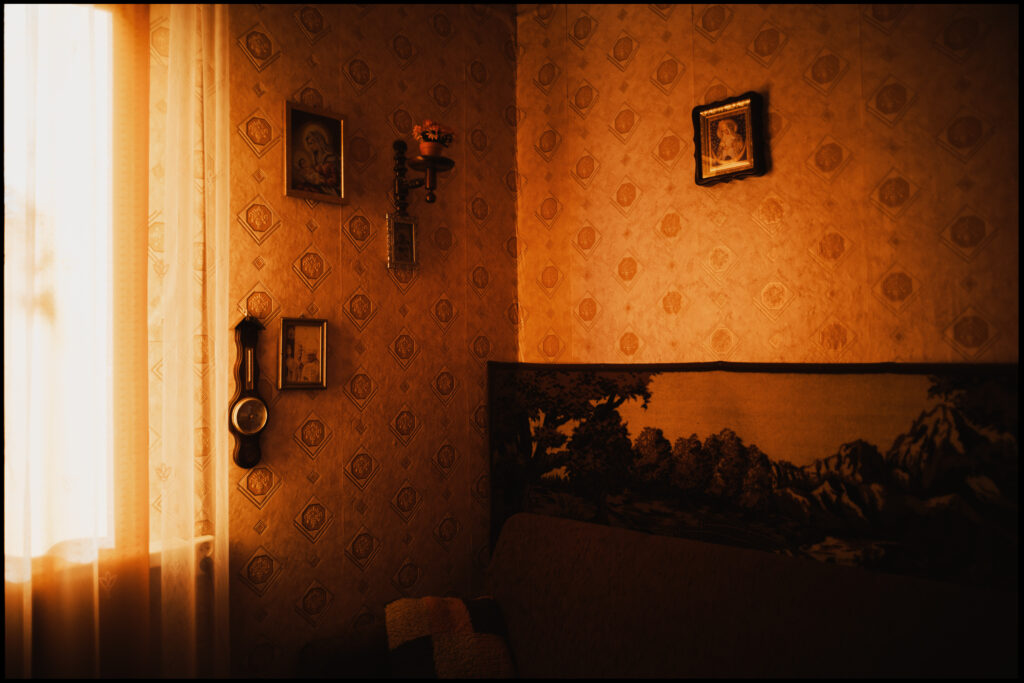
The Unphotographed Decline
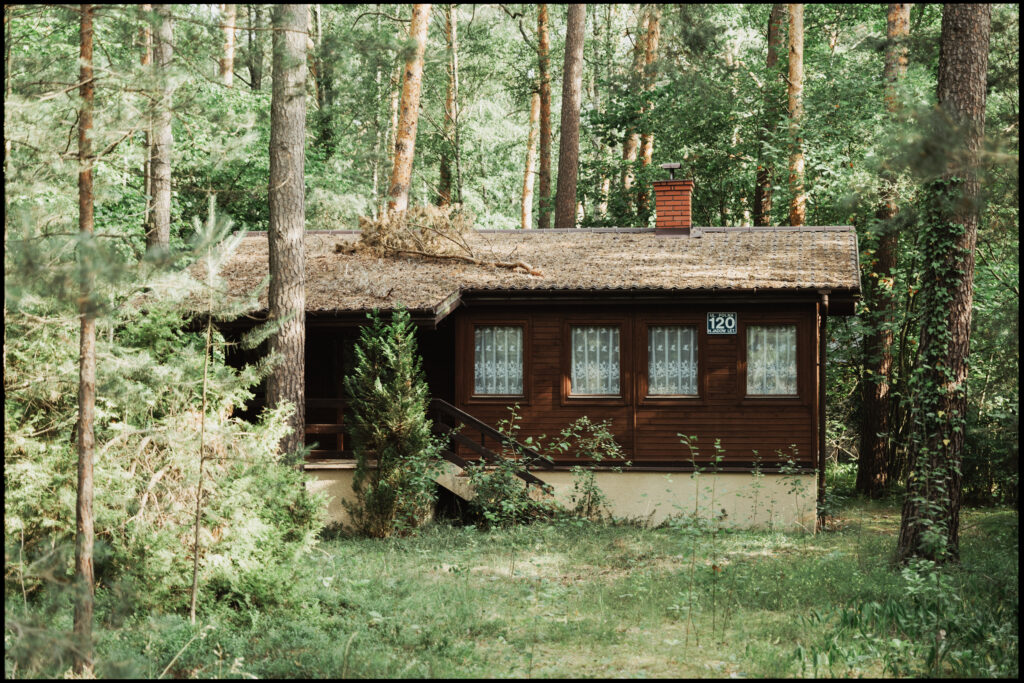
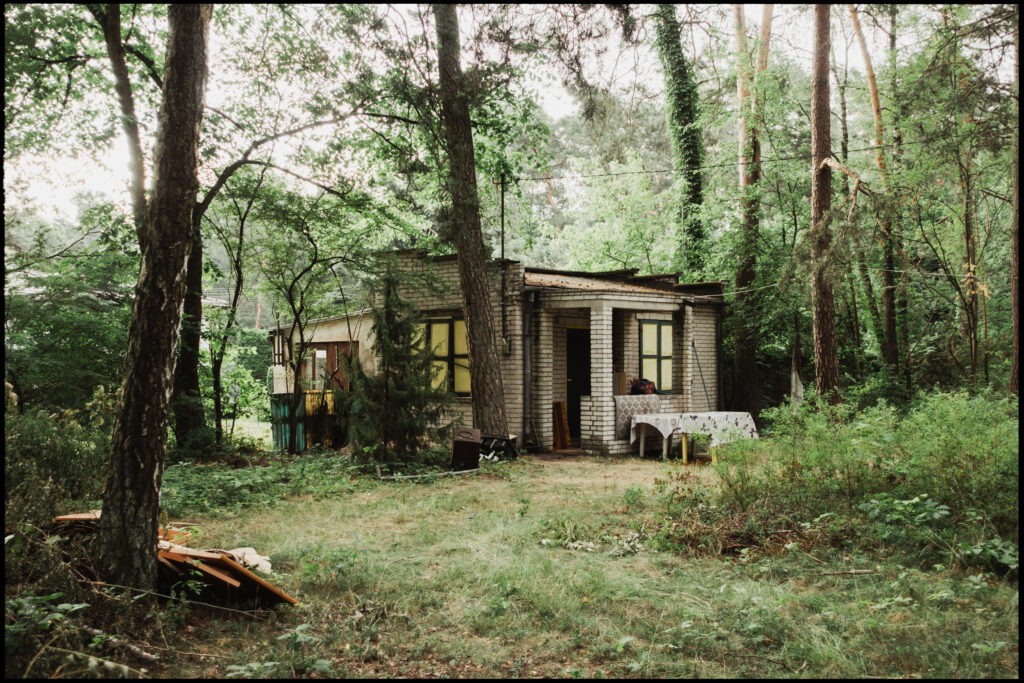
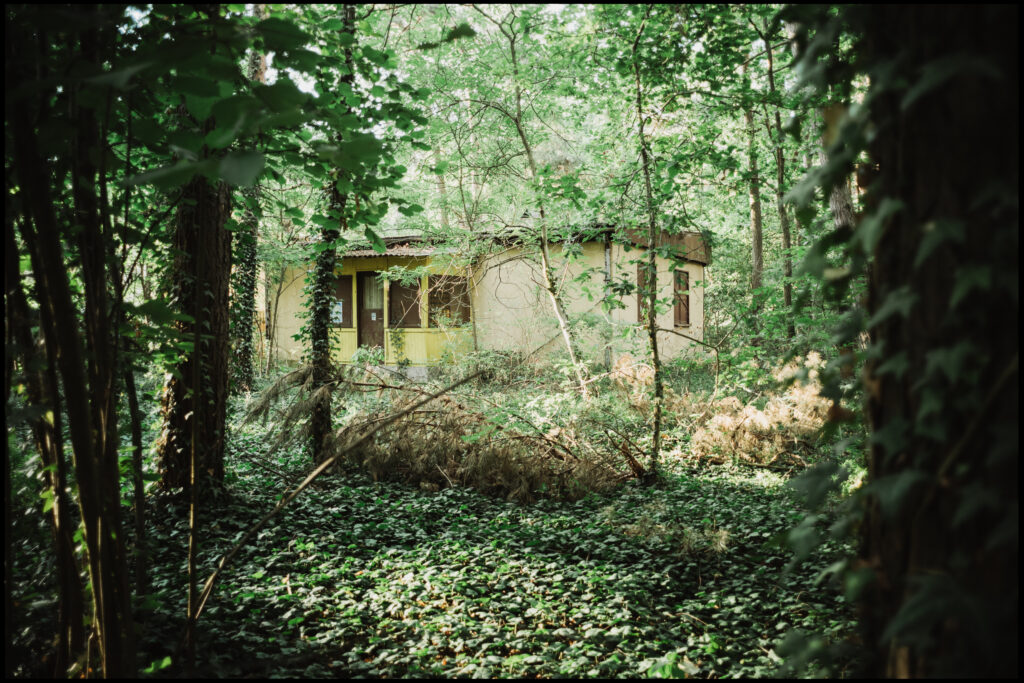
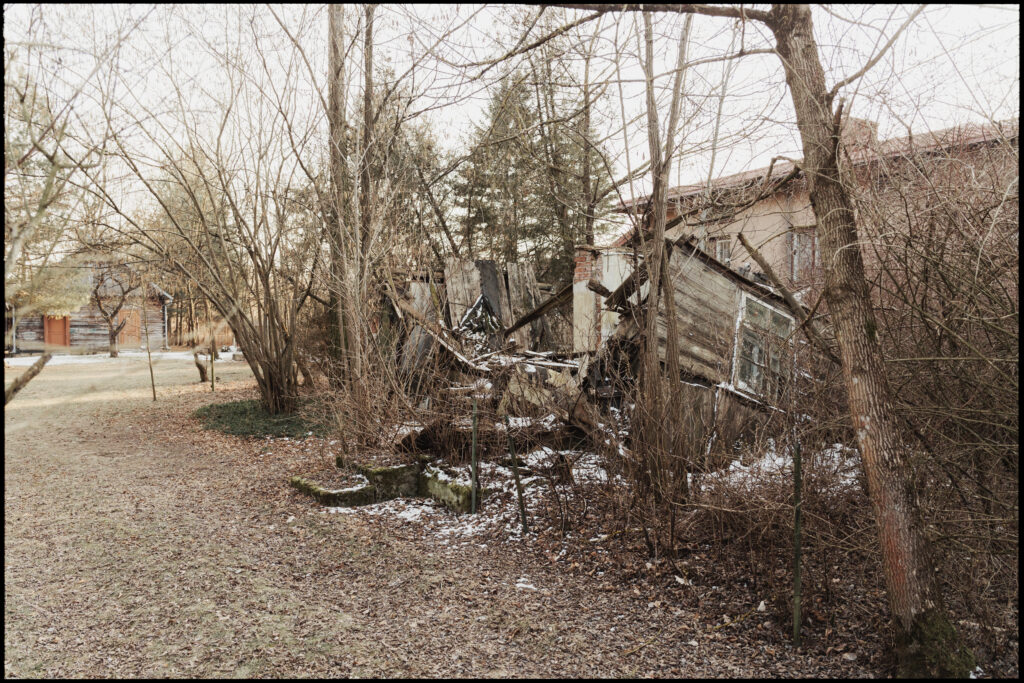
Years went by. My girlfriend became my wife. The vibrant summer resort, however, began to fade. The guests grew fewer. My father-in-law passed away, and his mother followed shortly after. There was no one left to cook for, and no one to serve. For years, I was a passive observer of this slow decay. Young people left, the elderly passed away, and with them, their houses fell into ruin, their legal status often unclear.
Did I document any of it? Nope. I was there, but my camera wasn’t.
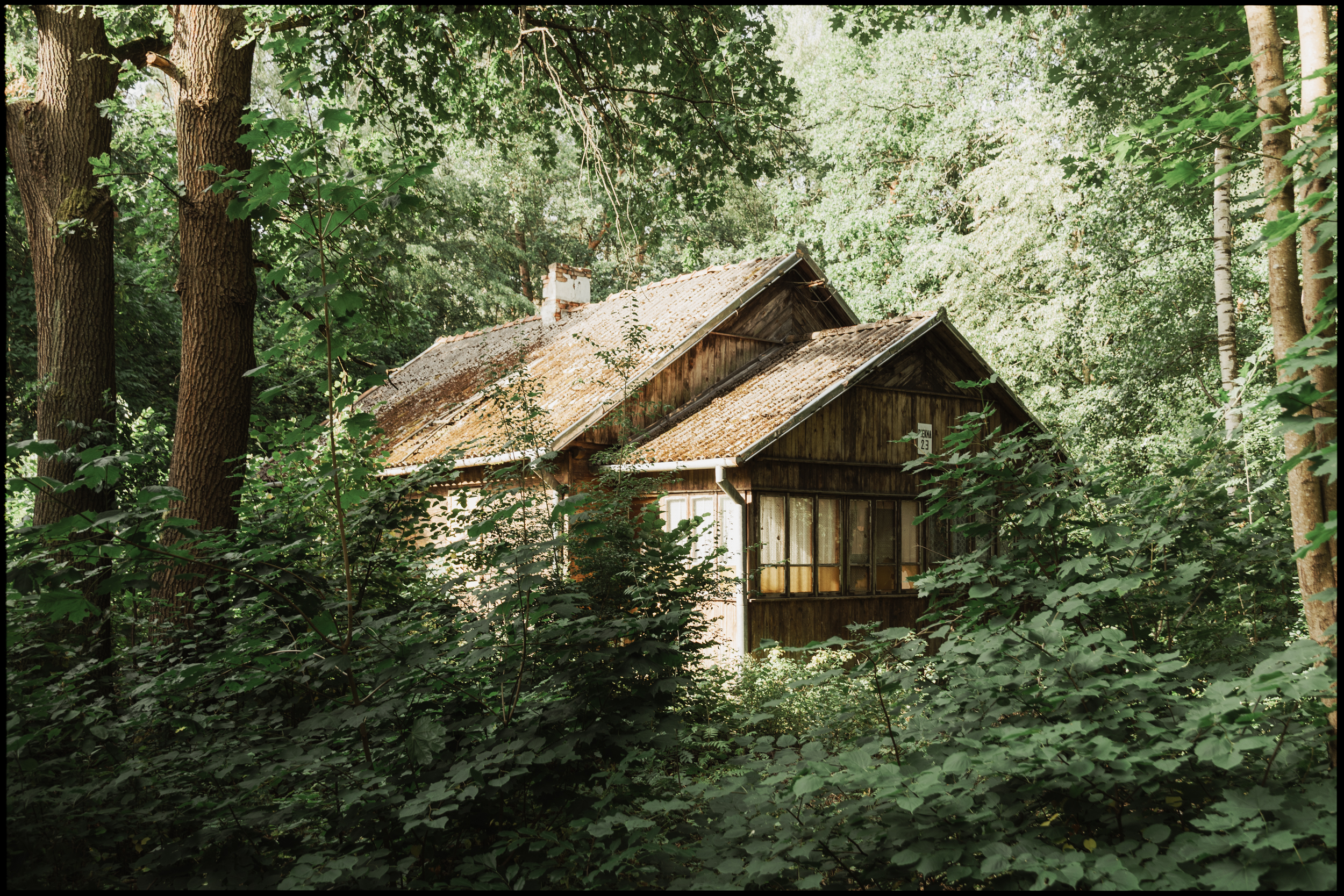
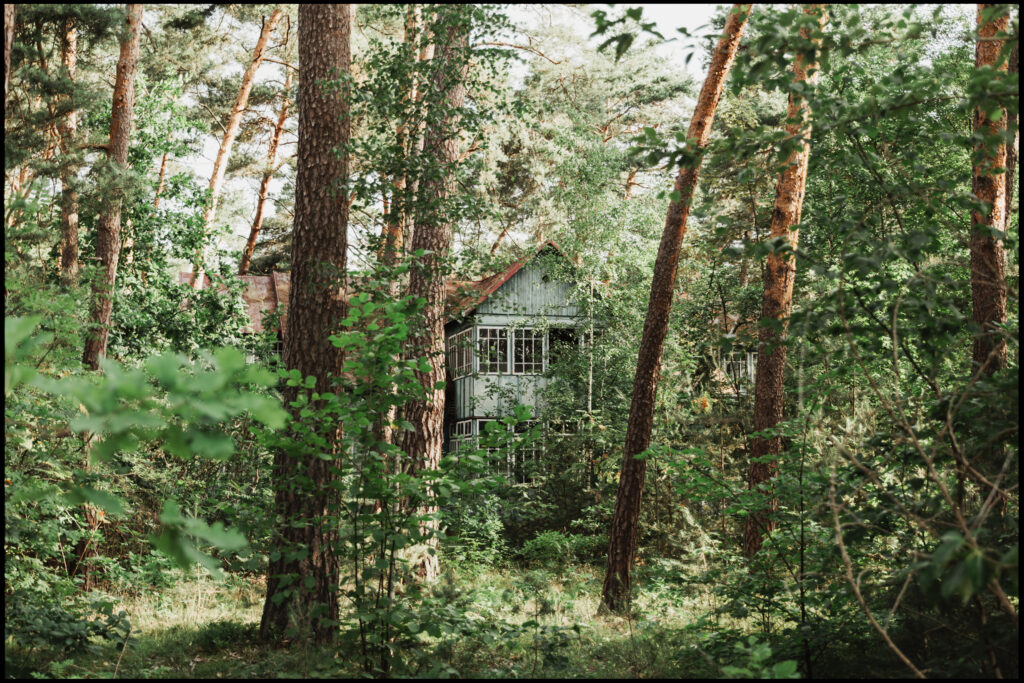
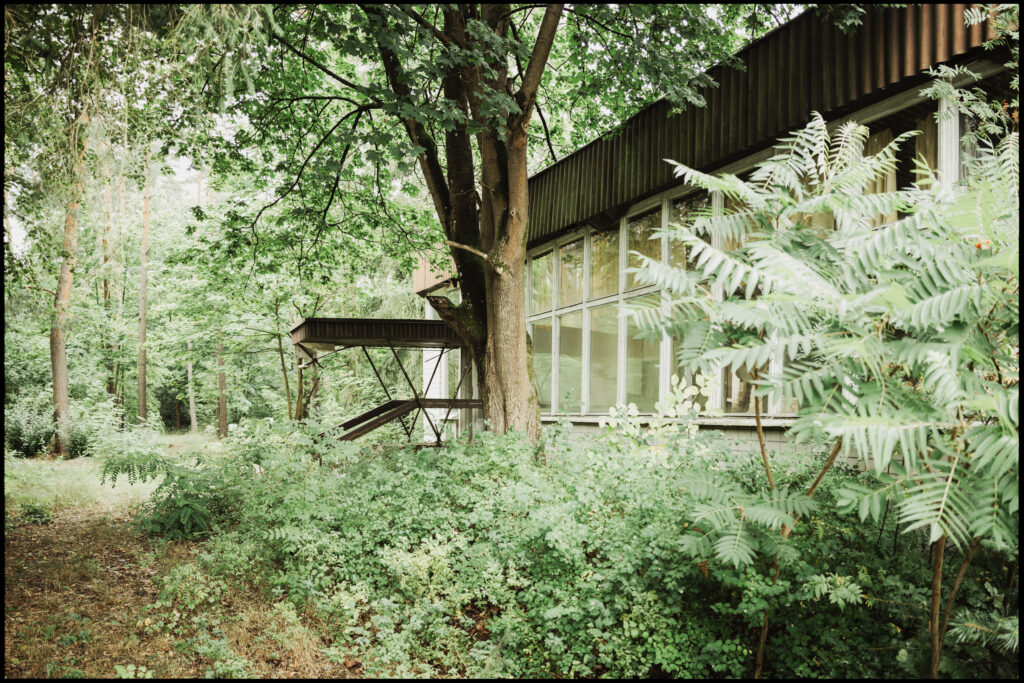
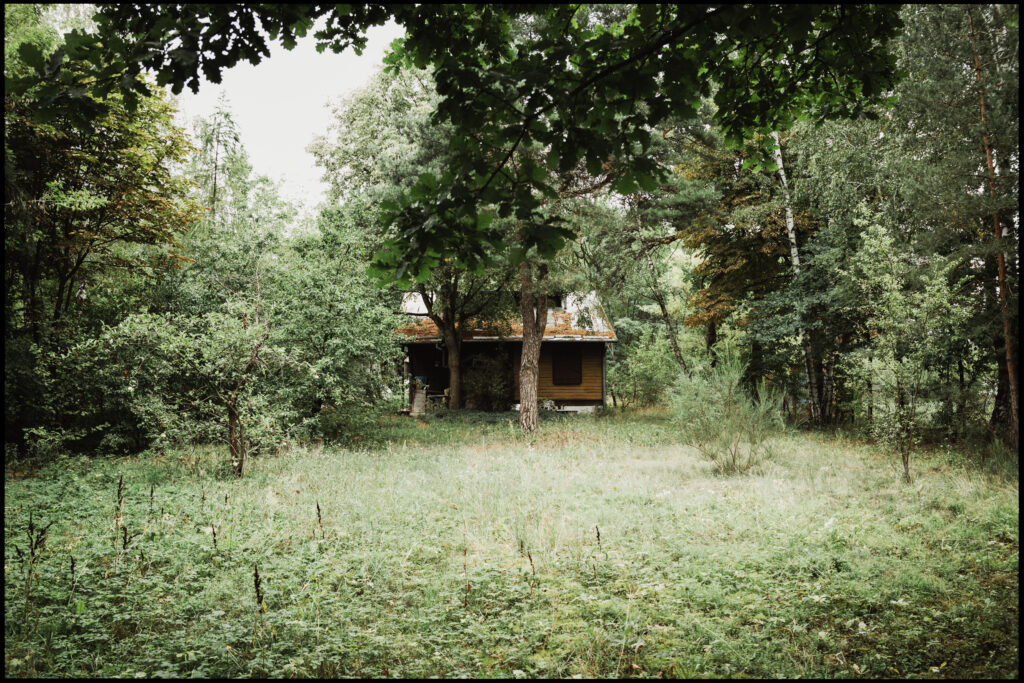
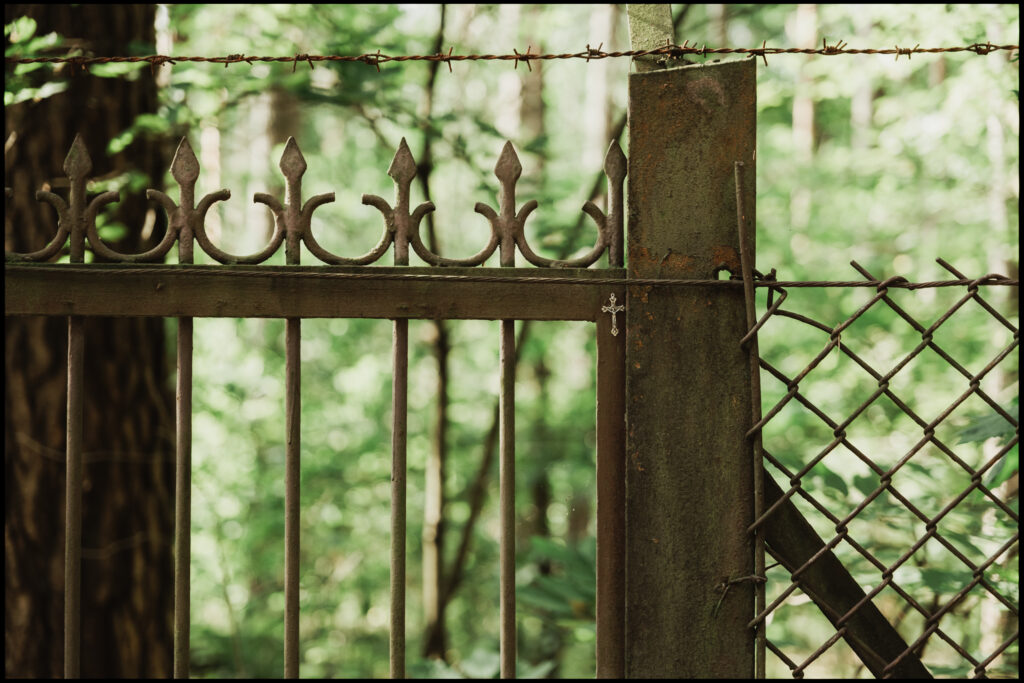
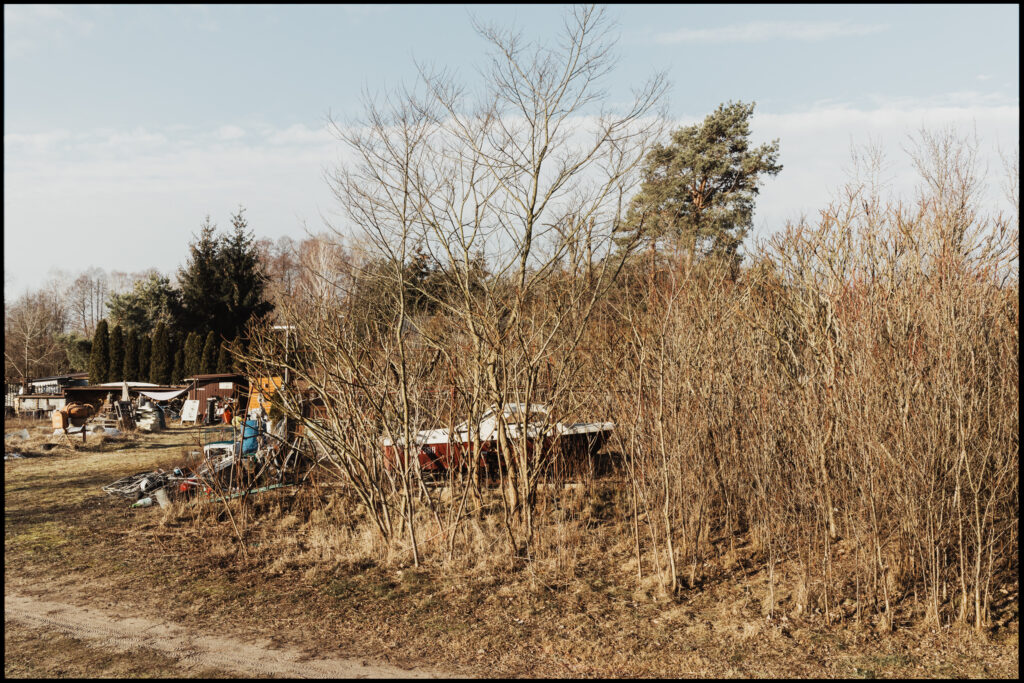
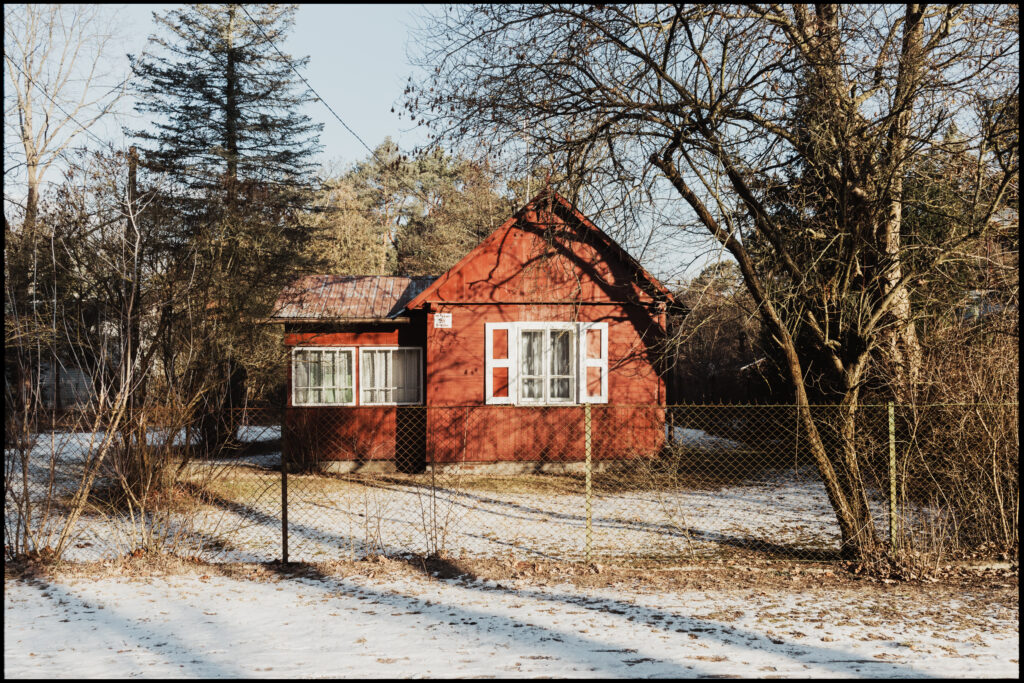
It’s been over 20 years since my first visit. My serious journey with photography began during the pandemic, evolving from a tool to document my figure painting hobby into a professional passion. I started photographing the summer cottages in Urle around 2020, long after the place had lost its soul. It was only recently that I realized this could become a deeply personal project.
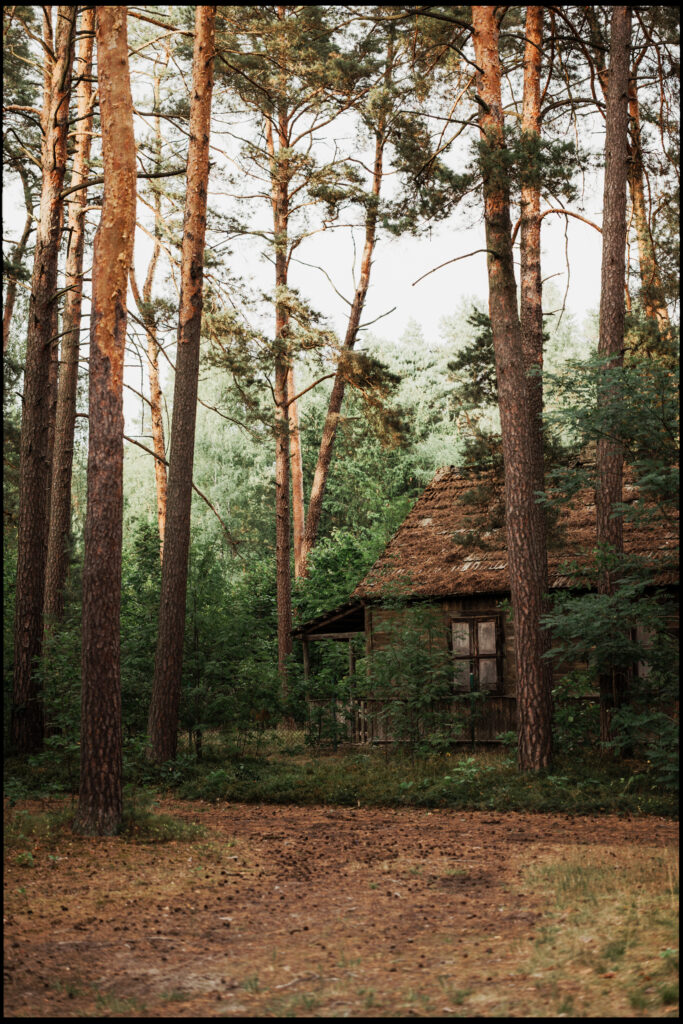
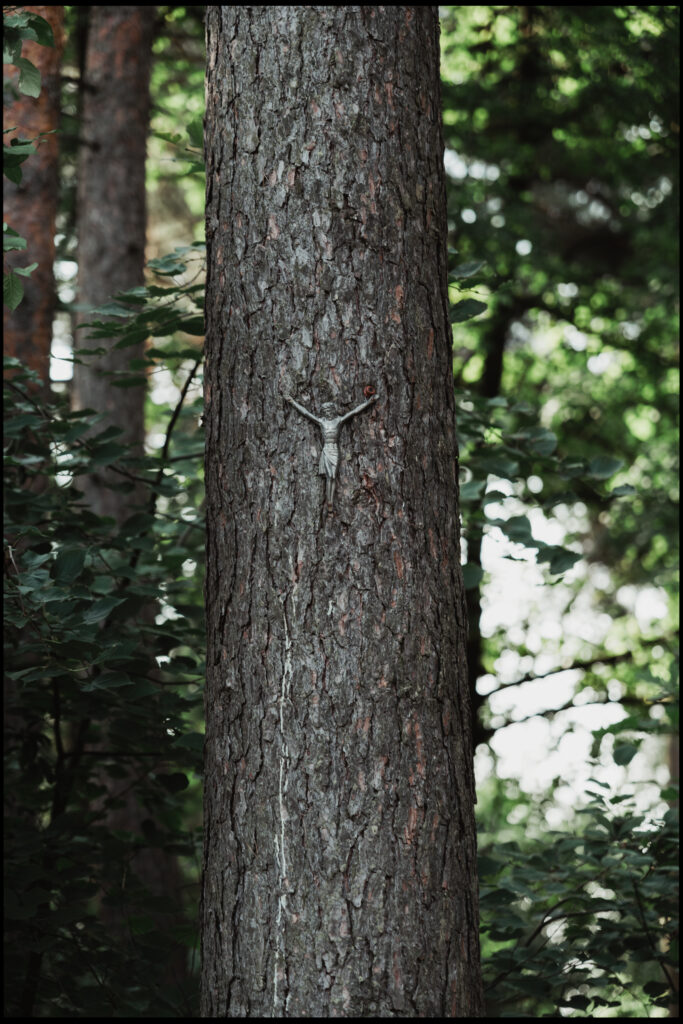
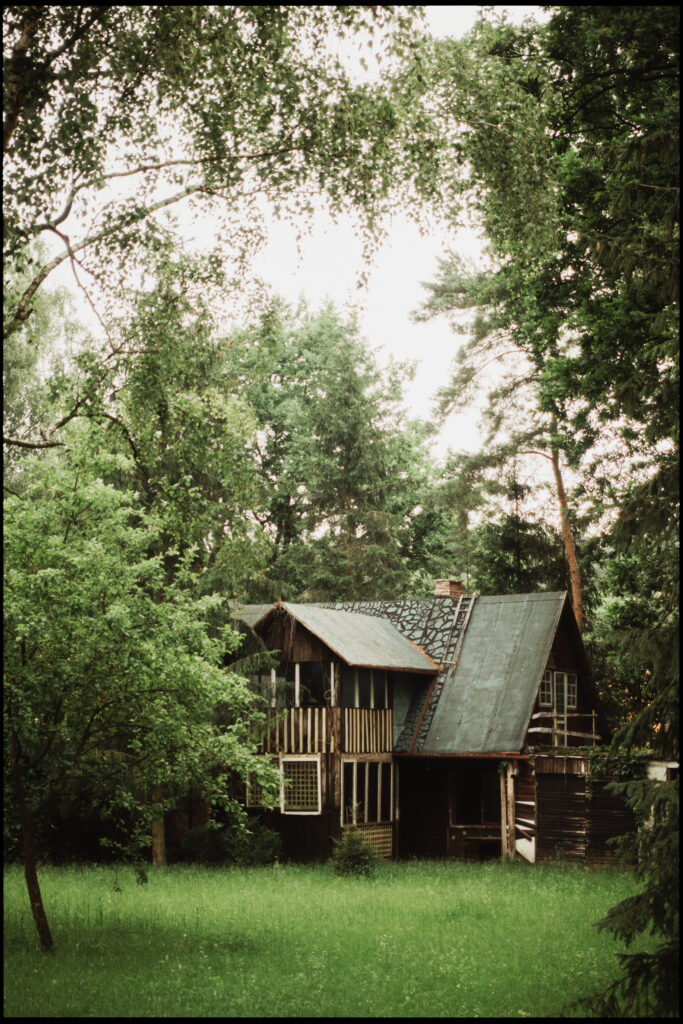
Photographing a Memory
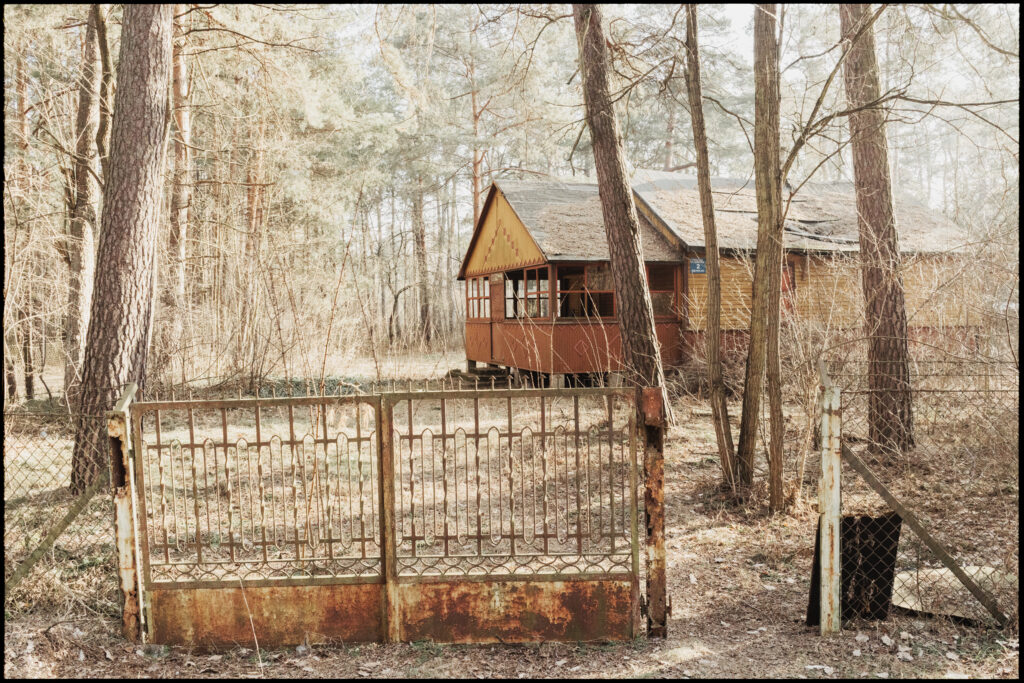
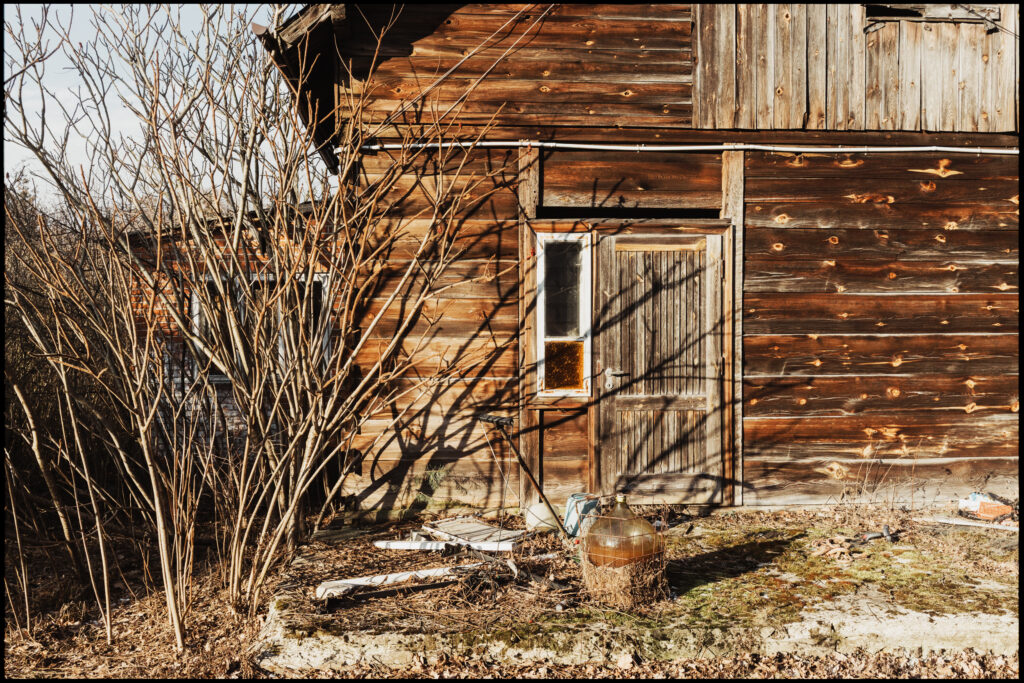
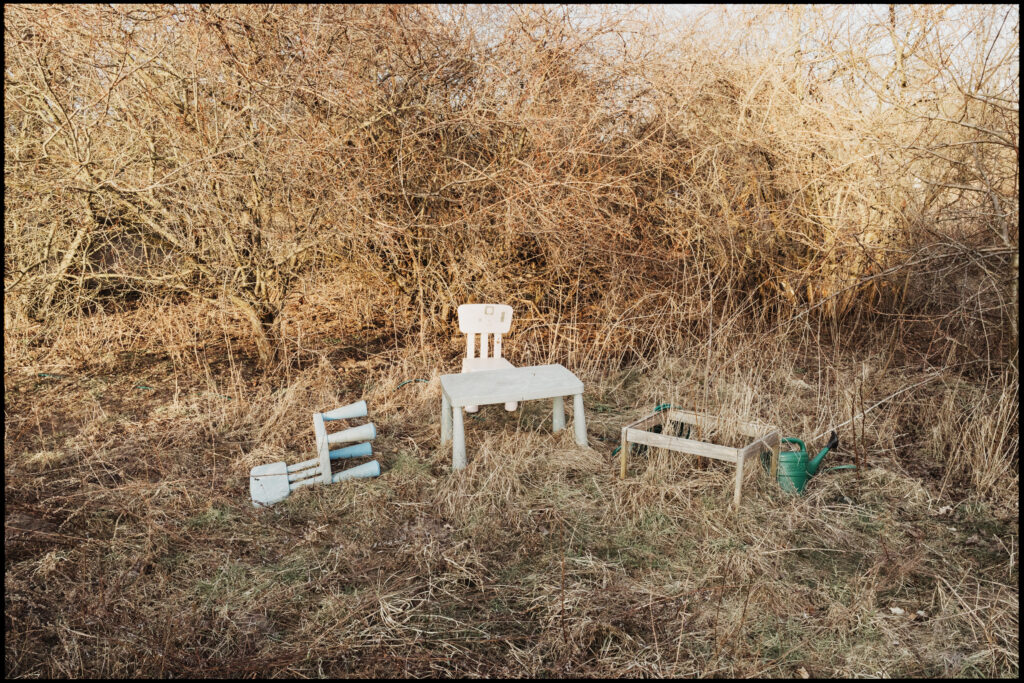
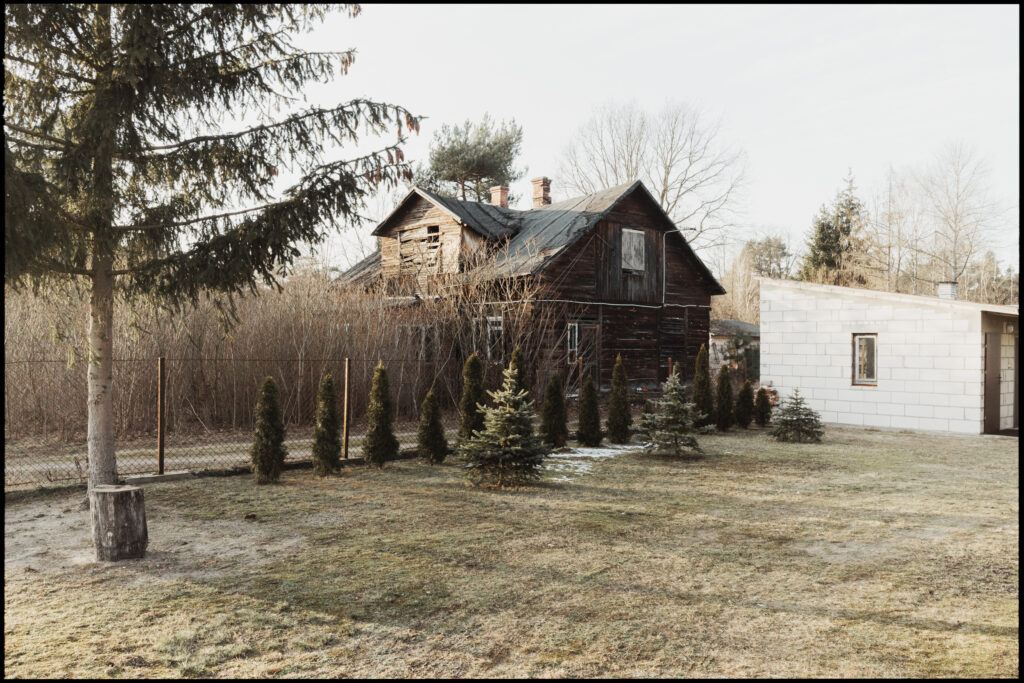
Most of these pictures were taken in June or July, when I drive my kids to their grandmother’s for the summer holidays. The ruins peeking out from the lush green of the forest have a certain poetic quality. But I took the kids back from their winter break some time ago and got three more photos for the collection. In winter, the decay is even more stark, more brutally honest.
I finally understood. For years, I had been a passive participant in this story, and I deeply regret not documenting it sooner. I missed the boat. I could have captured the essence of the place while it was still alive. I met well-known personalities there, summer visitors with incredible stories. An actress who played Lidka in “Four Tank-Men and a Dog” – probably the most popular series of the communist era – once told me I was “quite a handsome hunk”. She was right, of course!
But I was interested in other things. Now, all that’s left is to explore a metaphoric tomb. I plan to breathe life back into this place, at least through my photographs, and I will definitely be returning to this topic here.
A Final, Candid Frame
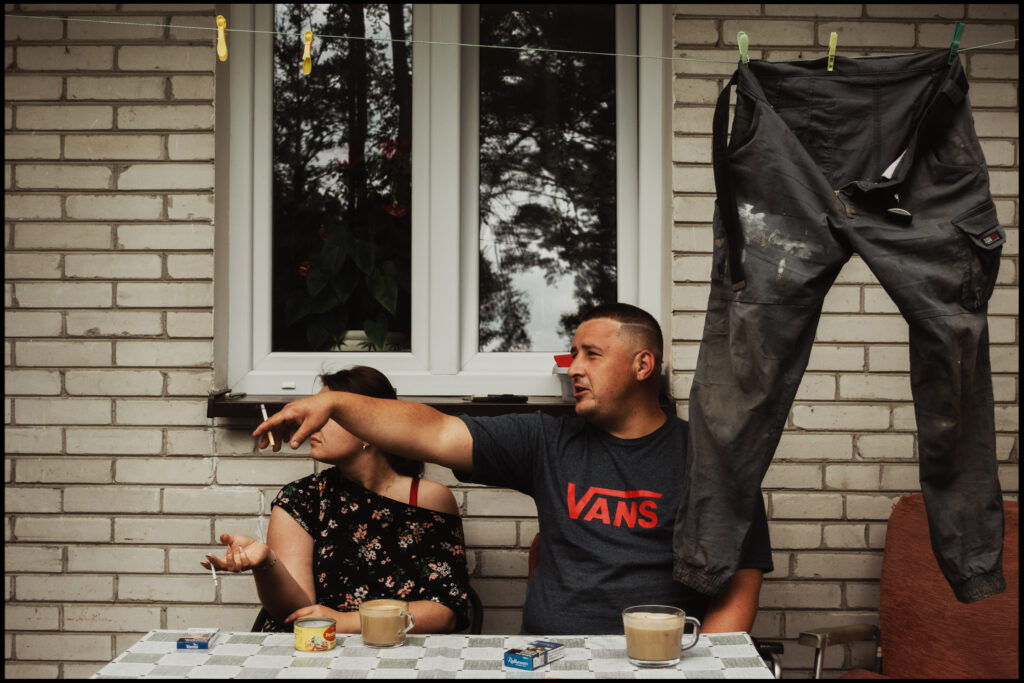
To finish, I’d like to share a photo of my brother-in-law and his wife. I love this frame because it’s candid and unposed, the kind you take over a casual coffee. It represents exactly what I missed: the undocumented, everyday moments. I have a few such photos from their wedding, but none from the daily life of the resort, none of the summer visitors just being themselves. This project is, in a way, an attempt to chase those ghosts.